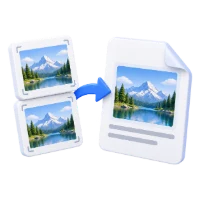


Open PDF to TIFF, choose your PDF, set the page scope and download. Use TIFF when an imaging application or receiving system explicitly requests it. This tool creates one TIFF file per selected page, which is useful when pages need individual filenames.
Choose the PDF and output
Load the PDF rather than a screenshot of it. Check the preview to confirm the document and orientation. Our example uses the tool’s 4-page sample.
The output format is TIFF. Confirm whether the receiving system expects separate TIFF images or one multipage TIFF. This exporter produces separate images and bundles multiple results in ZIP.
Choose pages and orientation
Leave Pages empty to include all 4 pages, or enter a range such as 1-2 when you only need those pages. The preview’s page number is for viewing; use the Pages field to set export scope.
Keep rotation at 0° for this upright sample. The rotation control can turn the exported images when the source orientation needs correction.
The current tool renders raster images at a fixed 200 DPI. It does not expose a DPI or quality slider. Larger paper dimensions therefore produce more pixels.
Download and inspect the files
Choose Start. One selected page downloads as an image; several selected pages are bundled in ZIP. Extract the archive before opening or uploading its members.
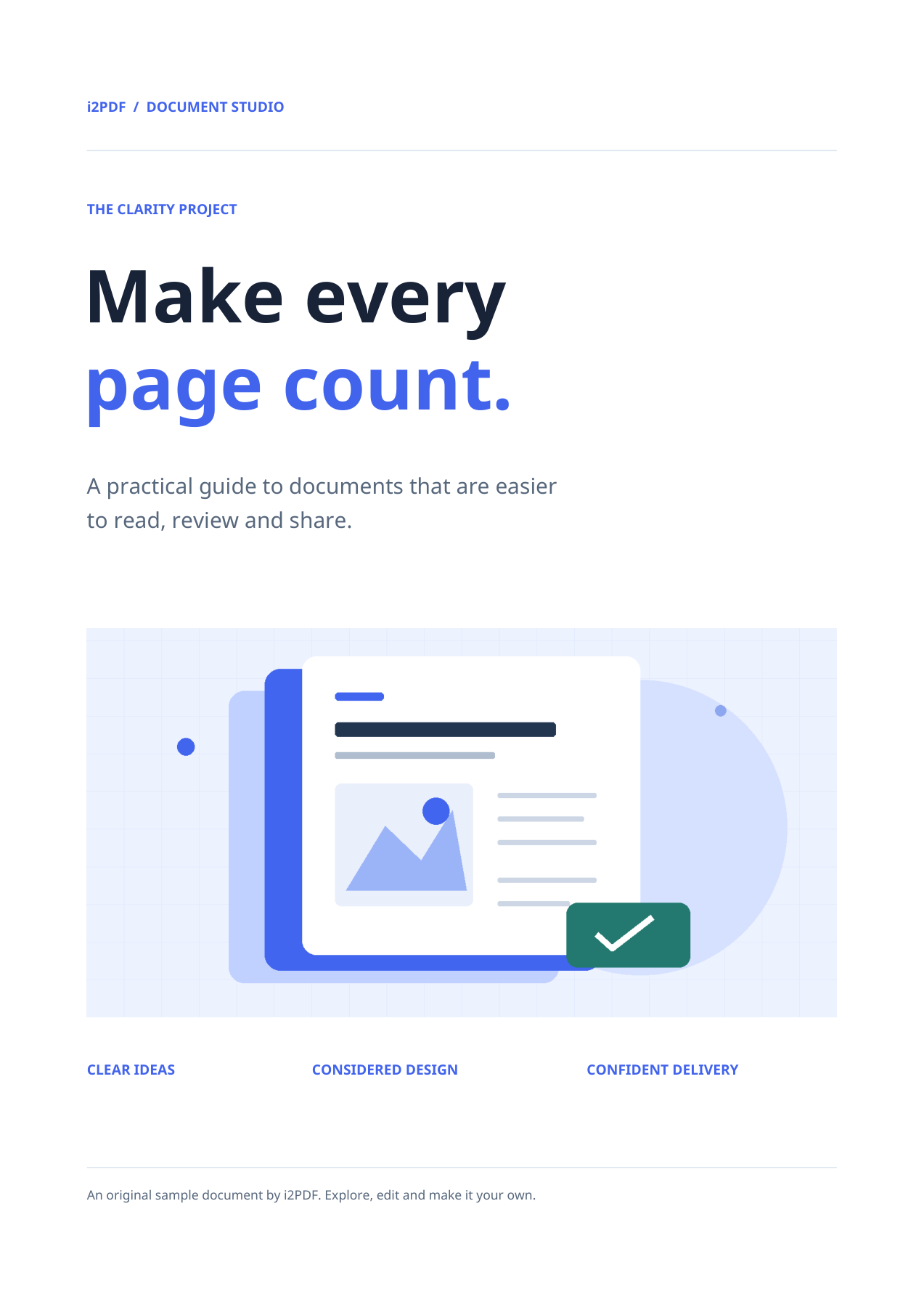
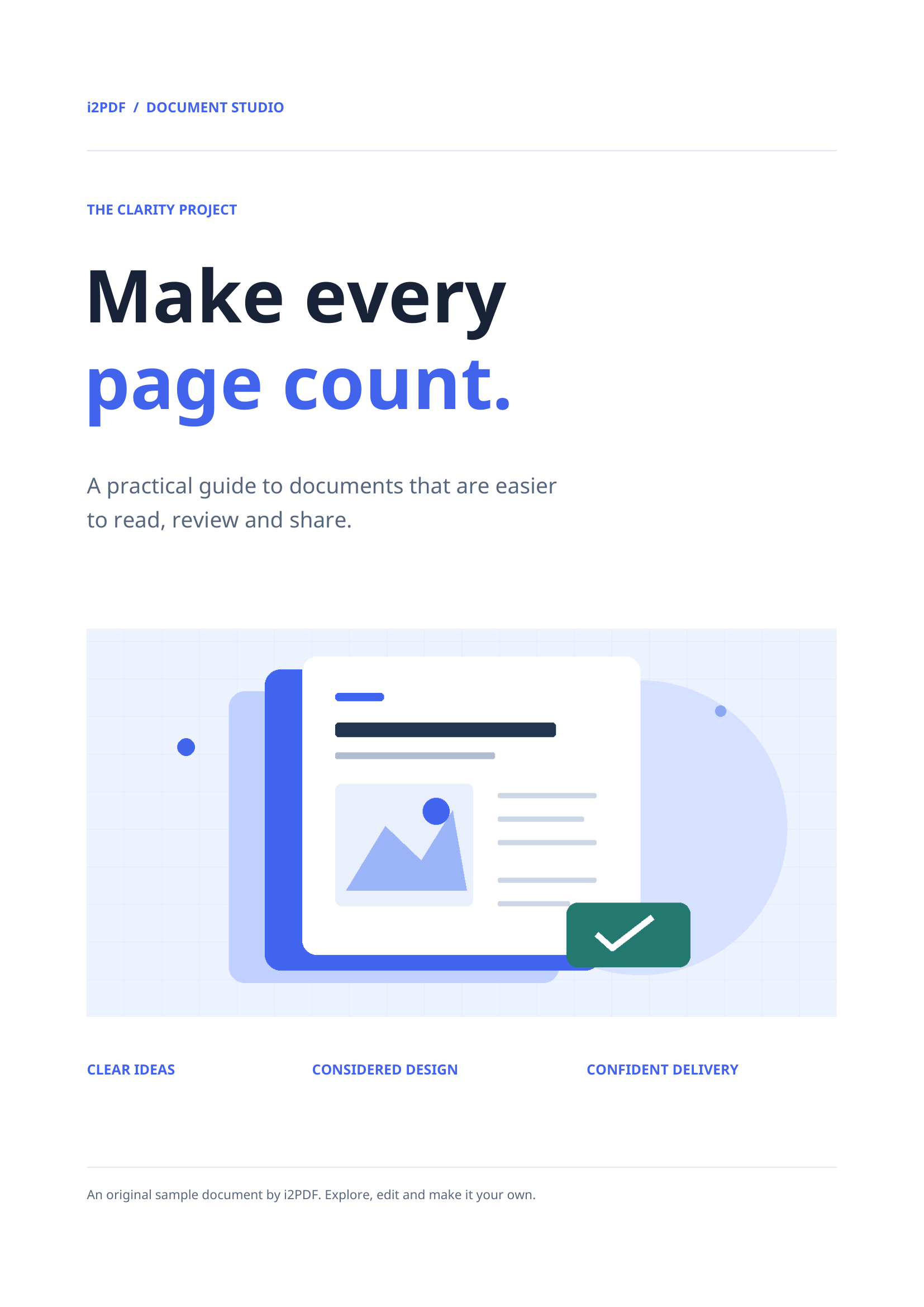
Our saved result contains 4 TIFF files, with names such as page-001.tiff. The first image is 1654 × 2339 pixels. Inspect fine type and graphics at an appropriate zoom.
Common questions
Does a four-page PDF become one four-page TIFF?
No. Our four-page example produces four separate TIFF files inside one ZIP archive. TIFF can support multiple pages, but that is not this exporter’s output.
Can I extract only the pictures inside the PDF?
Use Extract Images from PDF for embedded pictures. This tool exports complete rendered pages, including text and page backgrounds.
Try it with your document
Review the result, then save the version you need.