
PDF to JPG Online – Convert PDF Pages to JPG Images
Convert every page in your PDF into JPG images quickly and easily
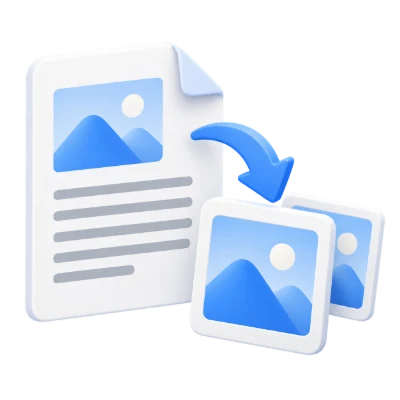
PDF to JPG is a free online tool that converts PDF pages to JPG images. Upload a PDF and convert every page into a JPG file directly in your browser.
PDF to JPG is a simple online converter designed to turn PDF documents into JPG images page by page. If you searched for pdf2jpg or a PDF to JPG converter, this tool helps you quickly convert every page in a PDF into a JPG image format that’s easy to share, preview, and use in many apps and workflows. The conversion runs online, so you can use it without installing software. It’s useful for creating images from PDF pages for websites, presentations, documentation, and general sharing when an image format is preferred.
What PDF to JPG Does
- Converts PDF documents into JPG images
- Turns each PDF page into a separate JPG file
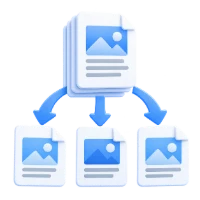
- Processes multi-page PDFs by converting every page
- Works online in your browser without installation
- Helps you create image versions of PDF pages for sharing and reuse
- Designed for quick and straightforward PDF-to-image conversion
How to Use PDF to JPG
- Upload your PDF file
- Start the conversion to JPG
- Wait for the tool to convert each page of the PDF
- Download the resulting JPG images
Why People Use PDF to JPG
- Share PDF pages as images in chats, emails, or platforms that prefer JPG
- Use PDF pages as images in slides, documents, or design workflows
- Create quick previews of PDF pages without sending the full PDF
- Extract pages as standalone images for reuse in other tools
- Convert PDFs into a widely supported image format for broader compatibility
Key PDF to JPG Features
- PDF-to-JPG conversion directly online
- Converts every page in the PDF to JPG
- Supports multi-page PDF documents
- No software installation required
- Free to use for converting PDF pages to JPG
- Simple workflow optimized for fast page-to-image output
Common PDF to JPG Use Cases
- Turning PDF brochures or flyers into shareable images
- Creating JPGs of PDF pages for presentations and reports
- Preparing PDF page images for uploading to websites or platforms
- Sharing individual pages as images instead of a full PDF file
- Generating image assets from PDF-based documents
What You Get After Converting
- A set of JPG images created from your PDF pages
- One JPG output per page for easy organization and sharing
- Image files that are widely compatible across devices and apps
- A quick way to reuse PDF page visuals in other workflows
- A straightforward output suitable for previews and distribution
Who PDF to JPG Is For
- Students sharing notes or handouts as images
- Teachers and educators preparing visual materials from PDFs
- Professionals converting reports or documents into image pages
- Design and content teams needing PDF page images
- Anyone who needs a fast online pdf2jpg conversion
Before and After Using PDF to JPG
- Before: Your content is locked inside a PDF document
- After: Each page is available as a JPG image
- Before: Sharing specific pages requires sending the whole PDF
- After: You can share individual JPG pages as needed
- Before: Some platforms don’t accept PDFs easily
- After: You can upload JPG images more widely
- Before: Reusing a page in other tools can be inconvenient
- After: JPG pages can be inserted and reused like standard images
Why Users Trust PDF to JPG
- Focused tool that converts PDF pages to JPG as described
- Works online without requiring software installation
- Clear output: one JPG image per PDF page
- Straightforward process suitable for everyday document tasks
- Part of the i2PDF online productivity tool suite
Important Limitations
- Conversion outputs JPG images, not an editable document format
- The tool converts pages as images and does not modify PDF content
- Very large PDFs may take longer to convert due to page count
- Text in the resulting images is not the same as selectable PDF text
- Image-based output may not be ideal when you need searchable or copyable text
Other Names for PDF to JPG
Users may search for PDF to JPG using terms like pdf2jpg, PDF to JPEG, convert PDF pages to JPG, PDF page to image, or PDF to JPG converter online.
PDF to JPG vs Other PDF-to-Image Tools
How does PDF to JPG compare to other ways of converting PDFs to images?
- PDF to JPG: Converts every PDF page into JPG images in a simple online workflow
- Other tools: May offer additional formats (like PNG) or require installed software
- Use PDF to JPG When: You want a fast, widely compatible JPG output from PDF pages without installing anything
Frequently Asked Questions
It converts PDF pages into JPG images. Each page of your PDF is converted to a JPG file.
Yes. PDF to JPG on i2PDF is a free online tool.
It converts every page in the PDF into a JPG image.
No. The tool works online in your browser.
Yes. pdf2jpg is a common name people use when looking for a PDF-to-JPG converter.
Convert PDF to JPG Now
Upload your PDF and convert every page to JPG images in seconds.
Related PDF Tools on i2PDF
Why PDF to JPG ?
The digital landscape thrives on versatility and accessibility. Information, images, and documents are constantly being shared, viewed, and manipulated across a multitude of platforms and devices. In this dynamic environment, the seemingly simple act of converting a PDF to a JPG image file holds a surprising amount of significance, impacting everything from web design and social media marketing to document archiving and mobile compatibility. Understanding the importance of this conversion requires a deeper look into the inherent characteristics of both file formats and the diverse applications they serve.
PDF, or Portable Document Format, is renowned for its ability to preserve the formatting and layout of a document regardless of the operating system, software, or device it is viewed on. This makes it ideal for sharing documents that need to appear exactly as intended, such as contracts, reports, and brochures. However, this strength can also be a limitation. PDFs often require dedicated software or plugins to view, and they can be cumbersome to embed directly into websites or share on social media platforms. Furthermore, extracting specific elements, like images, from a PDF can be a complex process.
JPG, or Joint Photographic Experts Group, on the other hand, is a raster image format widely supported by virtually every device and platform. Its strength lies in its ability to compress image data, resulting in smaller file sizes that are easier to share and load quickly on websites. This compression, while efficient, can sometimes lead to a loss of image quality, but for many applications, the trade-off is well worth it.
The conversion from PDF to JPG bridges the gap between the structured document format and the universally accessible image format, unlocking a range of possibilities. Consider the realm of web design. Embedding a PDF directly into a webpage can be clunky and slow down page load times, negatively impacting user experience and potentially harming search engine rankings. Converting key pages or sections of the PDF to JPG images allows for seamless integration into the website layout. Images can be optimized for web viewing, ensuring fast loading times and a visually appealing presentation. This is particularly crucial for showcasing product catalogs, brochures, or other marketing materials online.
Social media marketing is another area where PDF to JPG conversion proves invaluable. Social media platforms are inherently visual, prioritizing images and videos in their algorithms and user feeds. Sharing a PDF document directly on these platforms is often impractical and ineffective. Users are less likely to download and open a separate file to view the content. Converting key pages or graphics from a PDF to JPG images allows for visually engaging posts that capture attention and encourage interaction. This is particularly useful for sharing infographics, quotes, or snippets of information from longer documents.
Beyond marketing and web design, the conversion process plays a crucial role in document archiving and accessibility. Imagine a historical society digitizing a collection of old documents. While preserving the original PDF format is important for archival purposes, creating JPG versions allows for easier browsing and viewing on digital platforms. Researchers and the general public can quickly scan through the images without needing specialized software or plugins. This accessibility is paramount for sharing knowledge and preserving cultural heritage.
Mobile compatibility is another key factor. While many mobile devices can open PDFs, the experience can be less than ideal, especially on smaller screens. JPG images, being lightweight and universally supported, offer a more streamlined viewing experience on mobile devices. This is particularly important for individuals who rely on their smartphones and tablets for accessing information on the go.
Furthermore, converting a PDF to JPG can simplify the process of extracting and repurposing specific elements from a document. Need to use a chart or graph from a PDF in a presentation? Converting the relevant page to JPG allows you to easily insert the image into your slides. Want to share a specific quote from a PDF on social media? Converting the page containing the quote to JPG allows you to quickly create a visually appealing image quote.
However, it's important to acknowledge the potential drawbacks. As mentioned earlier, JPG compression can lead to a loss of image quality, especially if the image contains fine details or text. In such cases, it might be necessary to experiment with different compression settings or consider alternative image formats like PNG, which offers lossless compression. Additionally, converting a multi-page PDF to JPG will result in a series of individual image files, which might not be ideal for preserving the original document's structure and flow.
In conclusion, the conversion of PDF to JPG is a powerful tool that enhances accessibility, simplifies sharing, and unlocks a range of creative possibilities. While it's important to be mindful of the potential limitations, the benefits of this conversion process are undeniable. From optimizing websites and social media content to improving document archiving and mobile compatibility, the ability to seamlessly transform a PDF into a JPG image is an essential skill in today's digital world. It empowers individuals and organizations to effectively communicate, share information, and engage with their audience in a visually compelling and universally accessible manner. The flexibility and versatility offered by this simple conversion process make it a cornerstone of modern digital communication and information management.
How to PDF to JPG ?
This video will show in detail how to PDF to jpg.